August in Korea

Summer is
still here.

The beaches are packed, the nights are warm, and every Korean has a strong opinion about the best cold noodles. Here is what locals actually do in August.

August 2026  ·  8 things to know

Nature

Nature Now

Beach Season

해수욵장 · haesuyokjang

Open through late August

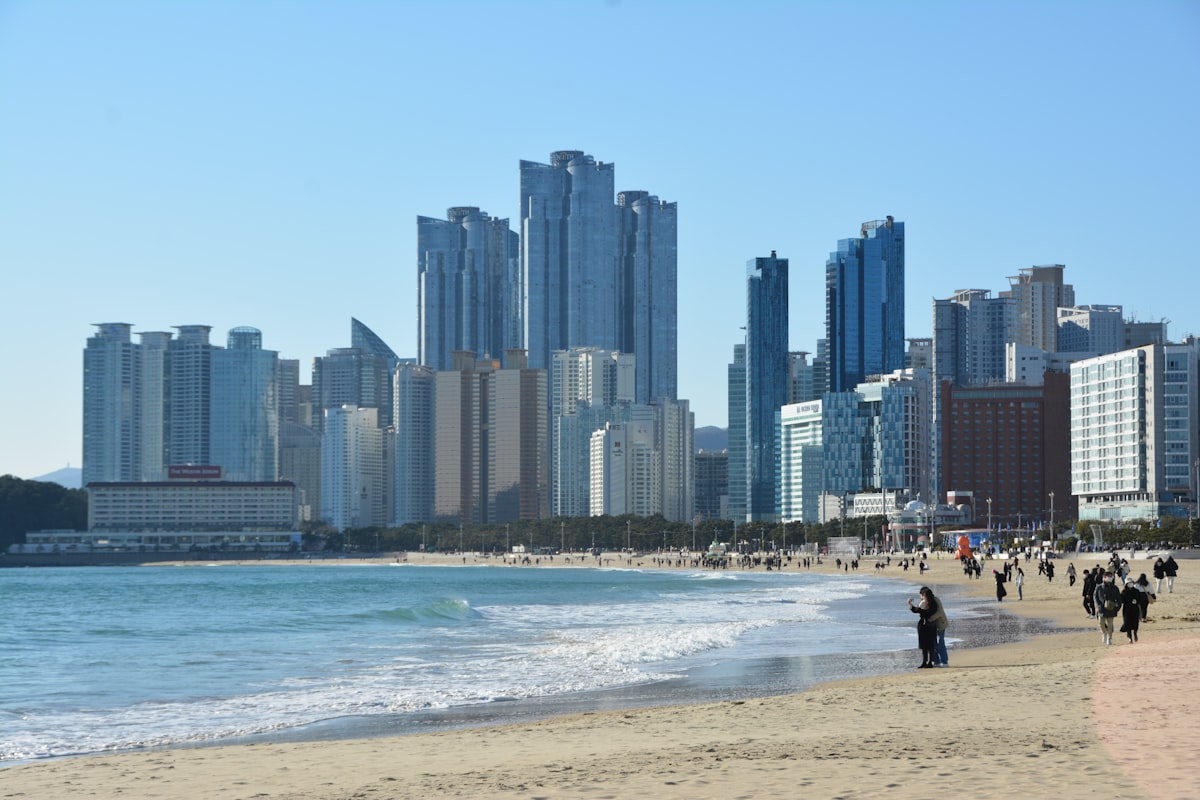
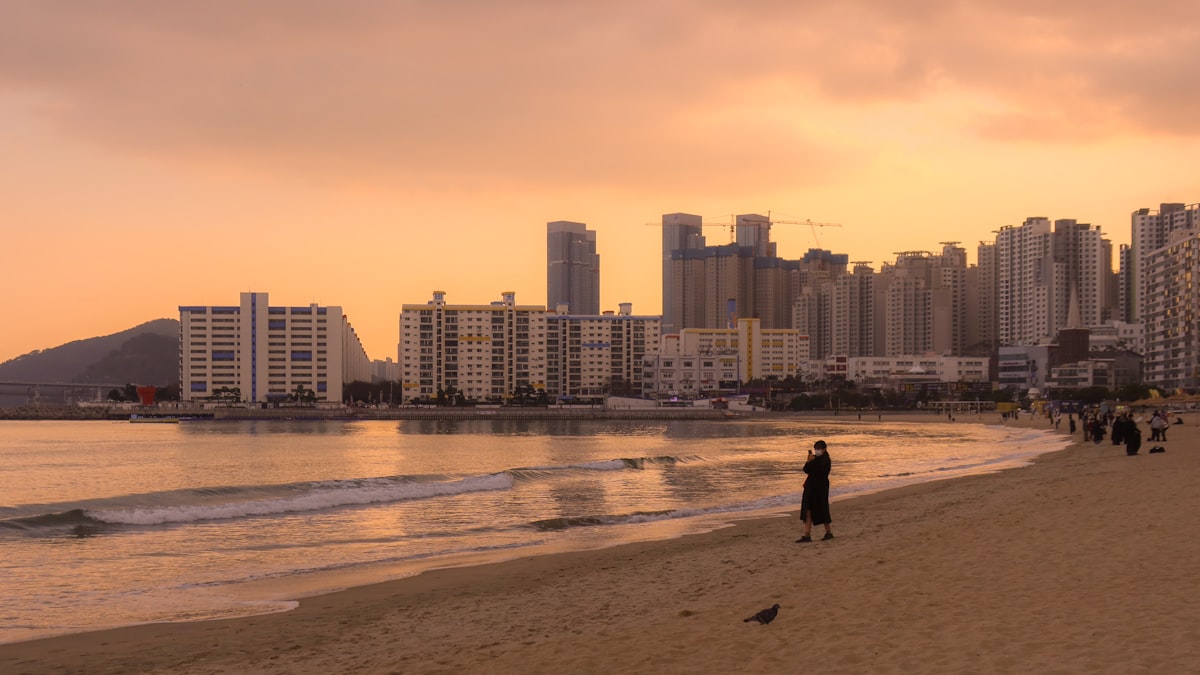
Korean beaches are officially open July through August. Haeundae in Busan draws more visitors per square meter than almost any beach on earth — which is part of the spectacle. The night view of Gwangan Bridge from the sand is worth the crowd.

Best spots: Haeundae & Gwangalli (Busan), Gyeongpo (Gangneung), Hyeopjae (Jeju). Weekdays are far less crowded than weekends.
Food

Food Now

Bingsu

뵉수 · bingsu

Peak season: July through August

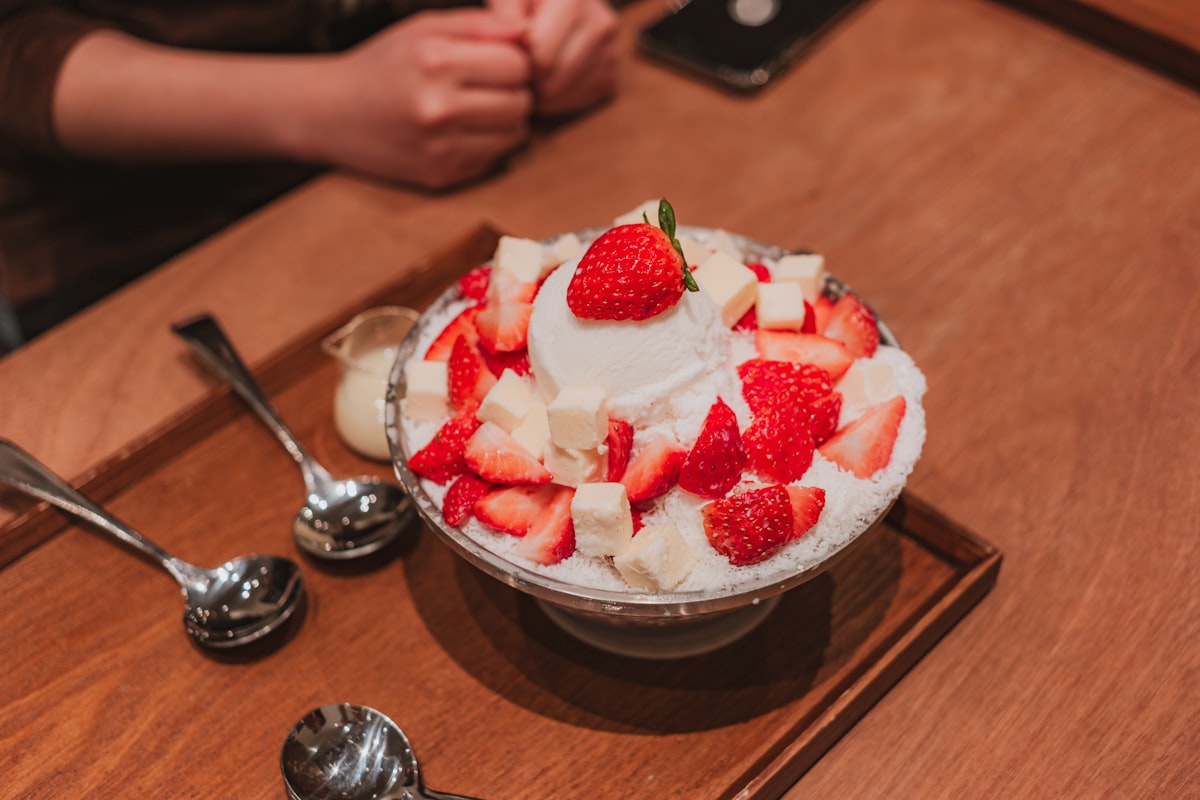
This is not a snow cone. Korean bingsu is finely shaved milk ice — closer to fresh powder than crushed ice. Topped with sweet red bean, condensed milk, or seasonal fruit. Lines form outside good cafes by noon.

Order it: 푹뵉수 (patbingsu) = classic red bean / 망고뵉수 (mangobingsu) = mango. Ask for 뵉수 하나 주세요 (bingsu hana juseyo) — one bingsu, please.

Food Now

Cold Noodles

내면 · naengmyeon

All summer, peaks in August

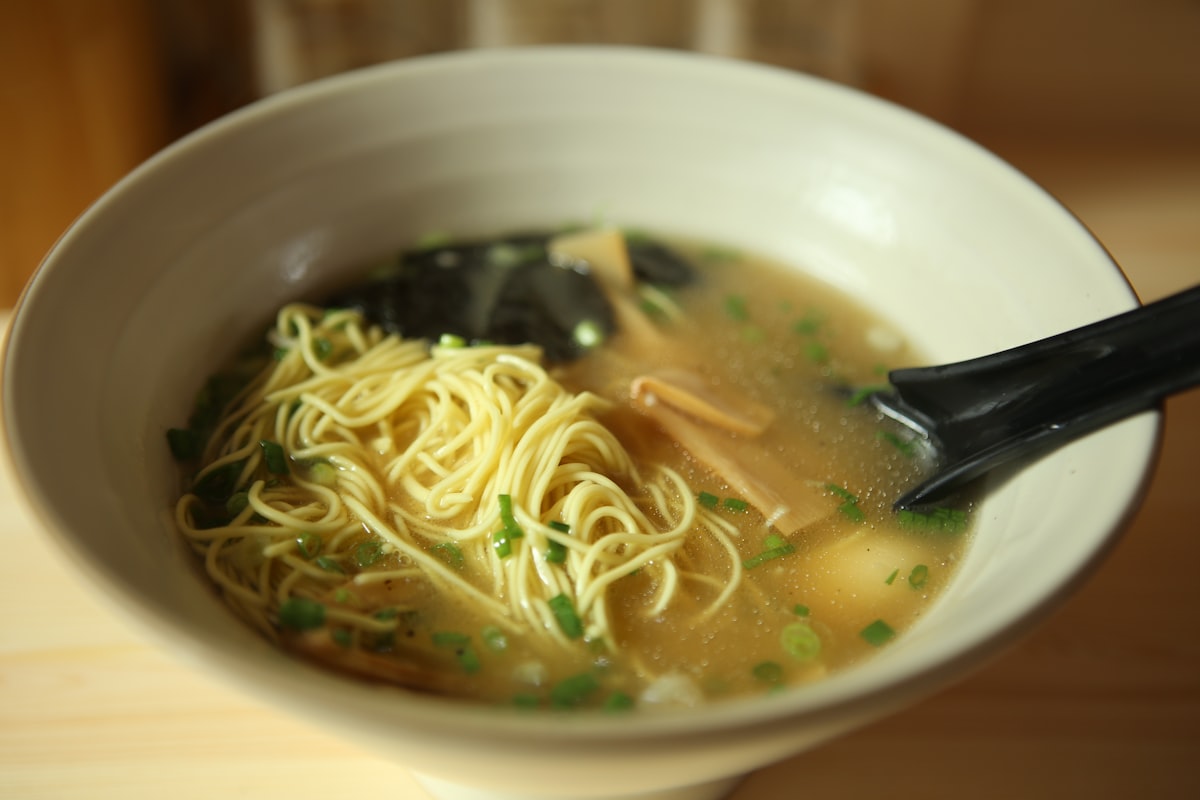
Thin buckwheat noodles in an ice-cold broth. The flavor is mild, slightly tangy, and surprisingly refreshing. First-timers often need a moment — then they order again. Pyongyang-style (물내면) is broth-forward; Hamheung-style (비붸내면) is spicy and dry.

What to say: 물내면 vs 비붸내면 — staff will ask. 물 (mul) = water/broth, 비붸 (bibim) = mixed/spicy.

Food Culture

Hot Chicken Soup in Summer

삼계쾬 / 말복 · samgyetang / malbok

Malbok (last dog day) falls in August

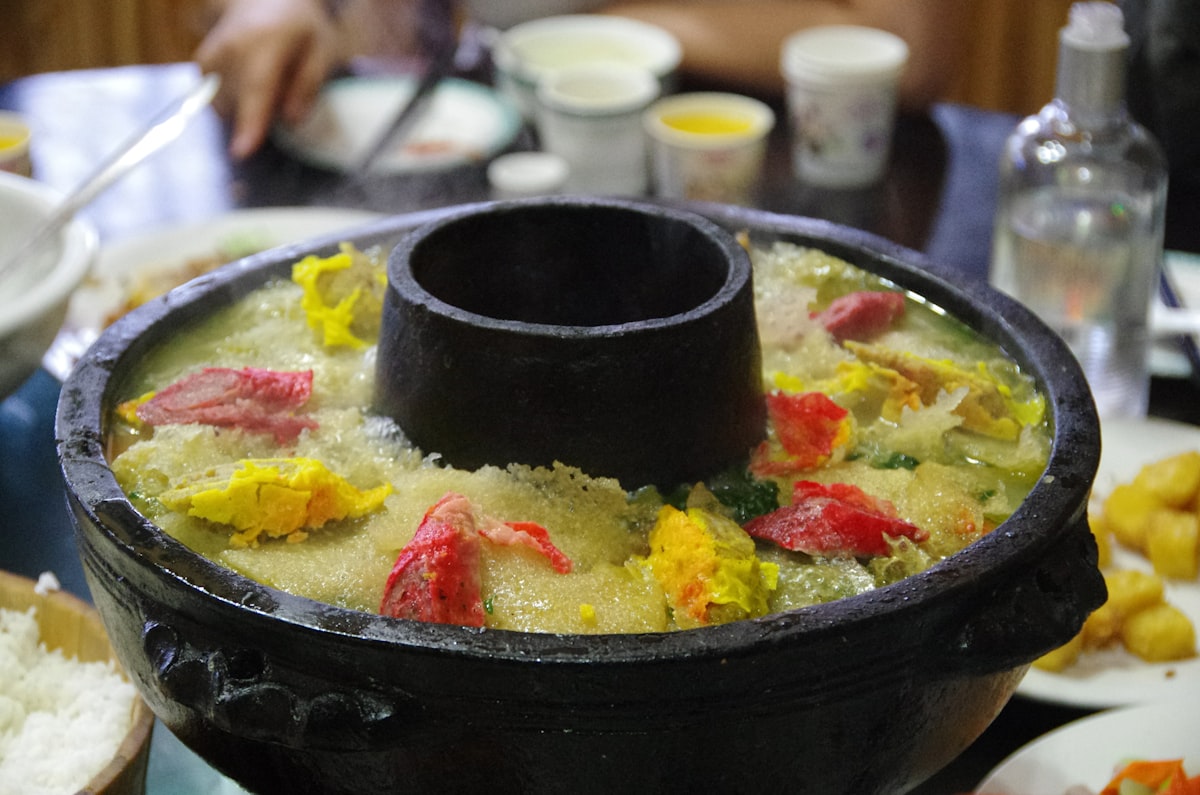
On the hottest days of the lunar calendar — called bok-nal — Koreans eat piping hot ginseng chicken soup. The logic: fight heat with heat (이열치열, i-yeol chi-yeol). Lines outside samgyetang restaurants on bok-nal are legendary. Malbok, the final dog day, lands in mid to late August.

Whole chicken, one person. It comes in the pot with rice stuffed inside. No knife needed — use chopsticks and pull the meat apart.

Food Now

Watermelon at the River

수바 · subak

July through August

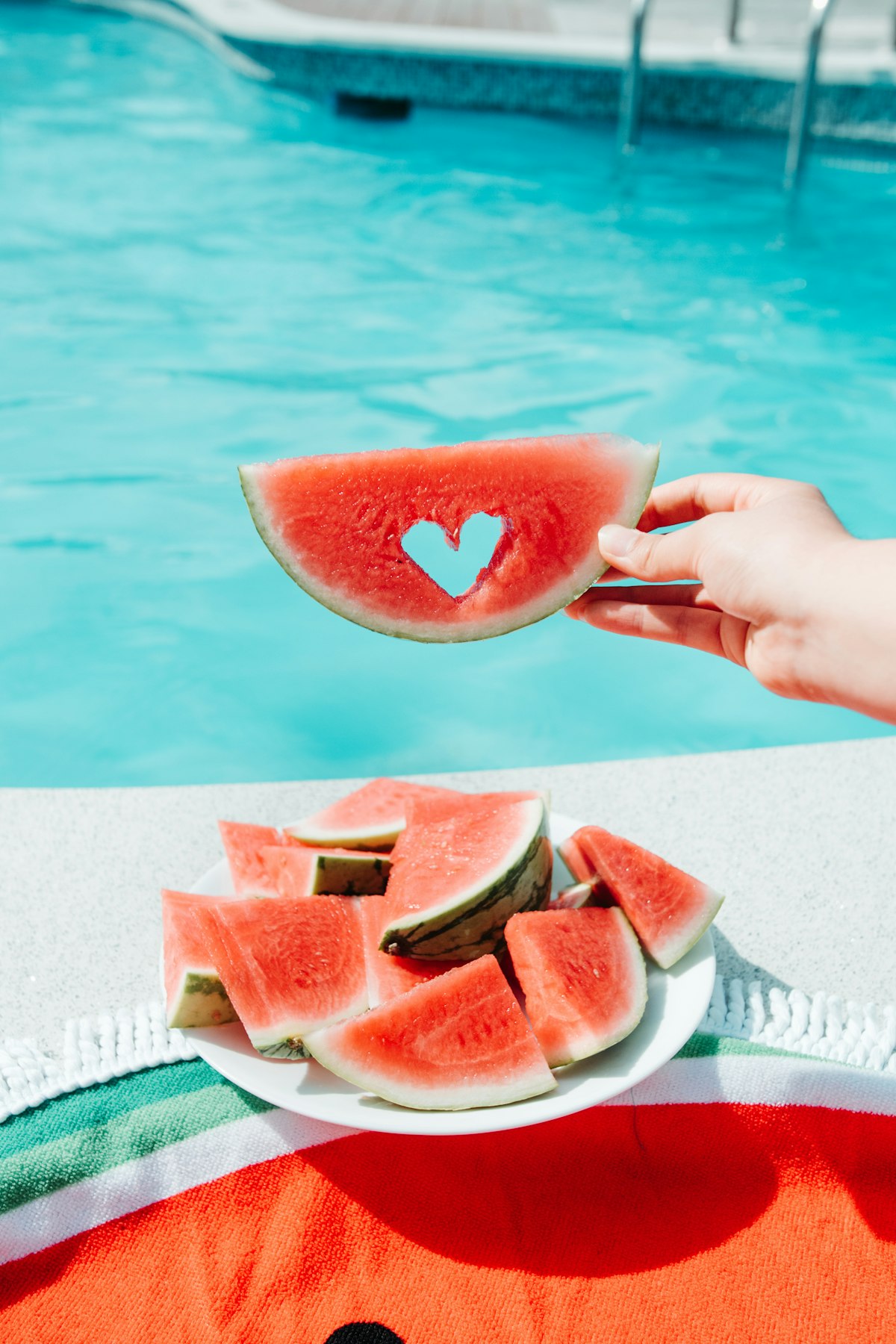
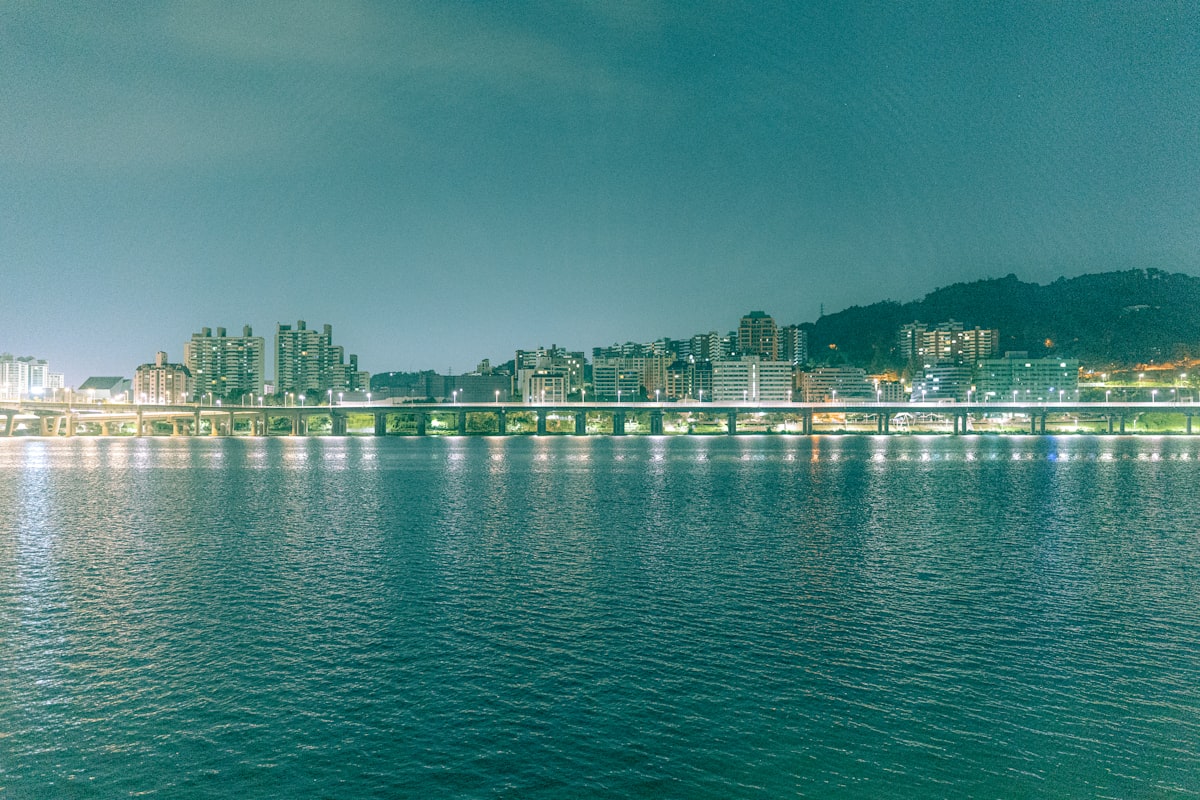
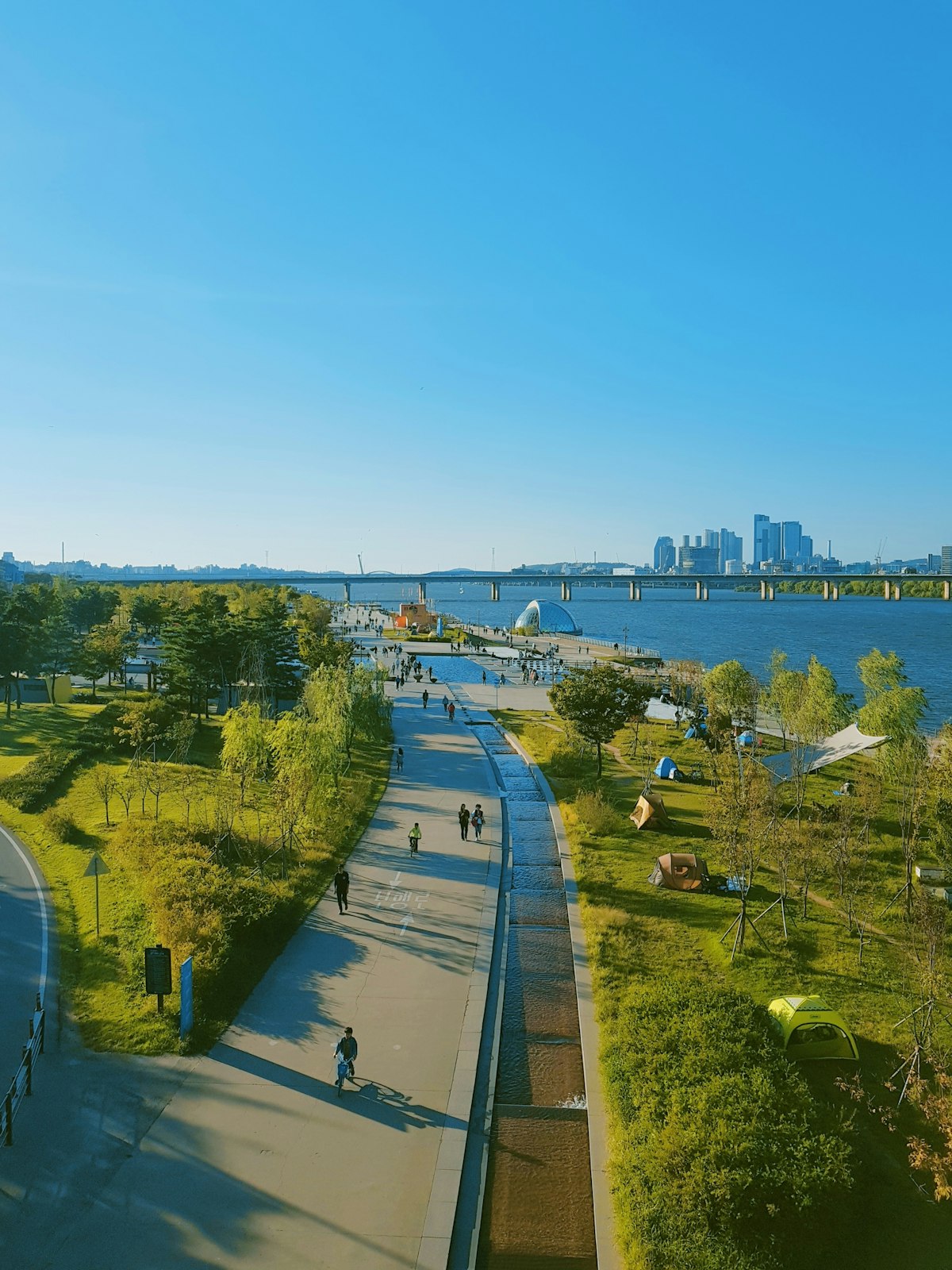
Buy a whole watermelon, take it to the Han River, and sit on the grass. That is the move. Korean watermelons are sweet, very cold from the convenience store, and eating one with a plastic spoon on a Han River mat is a genuine August ritual.

Setup: Get a mat (돋자리, dotjari) from a Han River rental kiosk. Buy the watermelon at a nearby GS25 or CU. Sit, eat, watch the bridge.

Festival

Festival Early August

Busan Sea Festival

부산바다춤제 · Busan Bada Chukje

Early August, Haeundae and Gwangalli beaches

Sand sculpture competitions, live performances, and beach events stretch across Busan's most famous coastline for a full week. Free to attend, no tickets needed for most events. The evening light shows against Gwangan Bridge are the highlight.

Getting there: Take Line 2 to Haeundae station (해운대역) or Gwangalli station (광안리역). Both are 10-minute walks to the beach.

Culture

Culture Now

Han River Picnic

한강 피크니 · Hangang picnic

Best on warm evenings, May through September

Koreans order delivery food directly to the Han River lawn. Pizza, fried chicken and beer (치매, chimaek), tteokbokki, ramen — all delivered to a mat by the water. The combination of city lights, river breezes, and takeout containers everywhere is uniquely Korean.

Order via: Baemin or Coupang Eats apps. Search "한강" + your park section name. Delivery people know exactly where to come.

Culture

The AC War

에어컨 · eecon

July and August — everywhere

Korean indoor spaces run their air conditioning extremely cold. Subways, cafes, convenience stores, and malls are often 10 to 15 degrees colder than outside. Locals bring a light cardigan or a thin jacket specifically for going indoors in summer. If you are cold in a cafe, you are not alone.

Useful phrase: 에어컨 즘 약하게 해주실 수 있어요? (eecon jom yakage hejushire isseoyo?) — "Could you turn the AC down a little?" Works best in smaller cafes.

Photo Credits

All photos used under the Unsplash License. Free for commercial and non-commercial use.